
The Ultimate Preventative Maintenance Checklist: Maximizing Heavy Equipment Lifespan
Why Proactive Maintenance is Your Best Investment
In the heavy equipment industry, time is money—and nothing drains your budget faster than unexpected downtime. Whether you operate a single machine or manage an extensive fleet, maximizing the lifespan and efficiency of your assets is the key to profitability.
At JT Equipment, we understand that maintenance is not just an expense; it’s an investment. Our Complete Preventative Maintenance Solutions are designed to identify potential issues before they lead to catastrophic failure. But preventative maintenance starts with you.
This comprehensive checklist will guide you through the essential daily, weekly, and seasonal checks required to keep your equipment running at peak performance.
The Daily Walkaround: Your Essential Pre-Shift Inspection
A quick, thorough walkaround before starting the engine is the single most effective way to prevent costly damage. Train every operator to perform this check without fail.
1. Visual Checks: Damage, Leaks, and Wear
-
Look for Leaks: Check for any signs of dripping or seepage (oil, hydraulic fluid, coolant, or fuel) under or around the machine. Even small leaks indicate a problem that will worsen.
-
Inspect Undercarriage/Tires: Check tracks for excessive tension, broken pads, or cracked rails. Inspect tires for proper inflation, cuts, gouges, or uneven wear patterns.
-
Check Attachments: Ensure all pins and bushings are secure, and look for cracks or structural damage on buckets, forks, and specialty attachments.
-
Inspect Safety Features: Verify all lights (headlights, brake lights, warning lights), mirrors, and windows are clean and functioning.
2. Fluid Levels and System Health
-
Engine Oil: Check the dipstick and top up if necessary. Note any significant drop since the last check.
-
Coolant: Verify the level in the reservoir. Look for a milky or rusty appearance, which can signal other issues.
-
Hydraulic Fluid: Check the fluid level according to the machine’s manual (usually when the cylinders are retracted).
-
Hoses and Belts: Flex hydraulic hoses to check for softness, cracks, or bulges. Inspect engine belts for fraying or cracking.

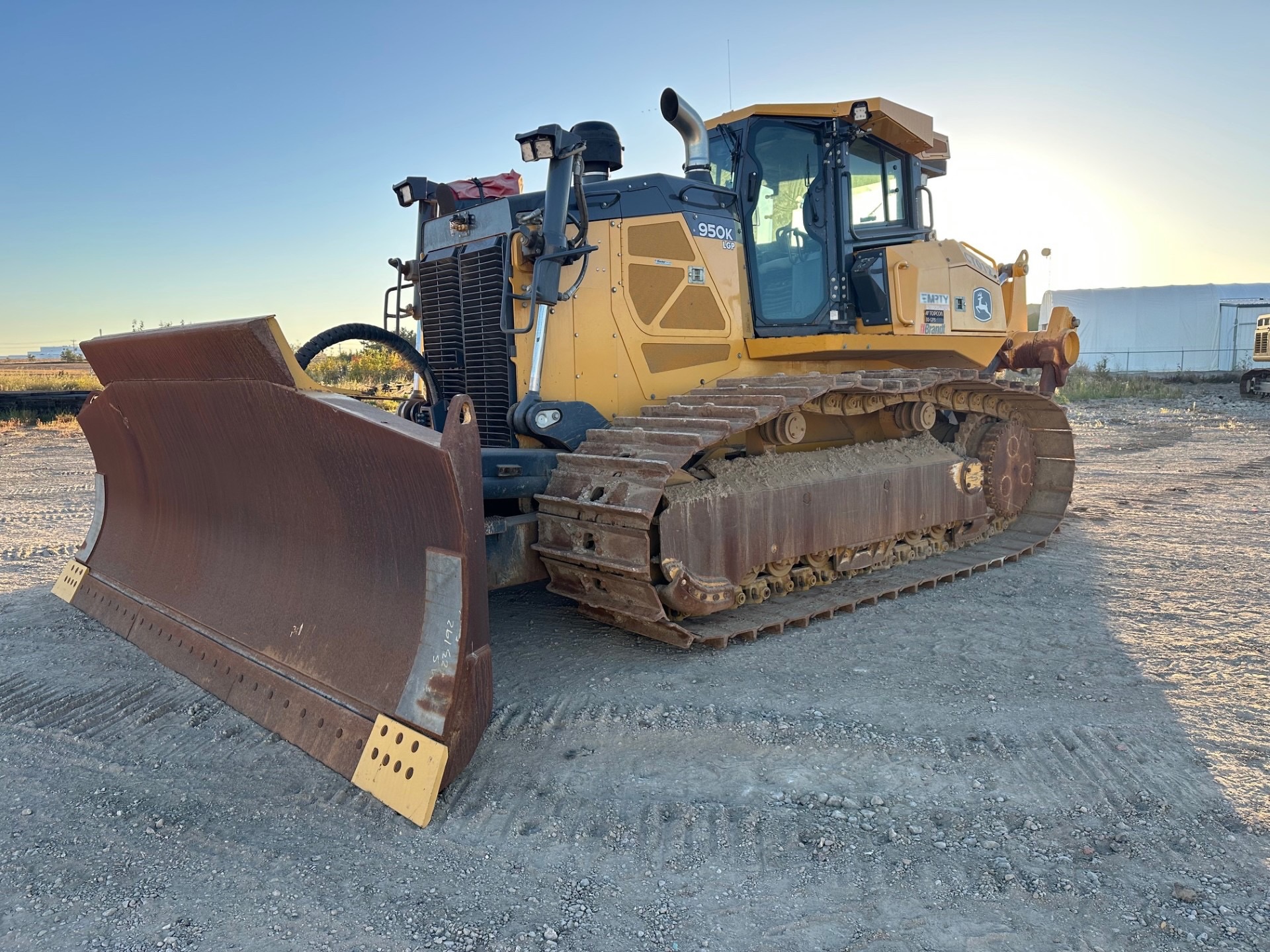


Weekly and Bi-Weekly Deep Checks
These checks require slightly more time but are crucial for the health of moving components and safety systems.
1. Lubrication and Filtration
-
Grease Points: Consult your machine’s manual and ensure all grease fittings are properly lubricated. Proper greasing minimizes wear on pins, bushings, and pivot points—a service that dramatically extends the life of your expensive linkages.
-
Air Filters: Visually inspect the engine air filter. If the environment is dusty, cleaning or replacement may be needed sooner than scheduled.
-
Fluid Sampling: Consider taking regular fluid samples (oil and hydraulic) for analysis. This is the only way to spot internal wear on key components, such as a failing engine bearing or pump.
2. Component and Safety Checks
-
Brake Function: Test the service brakes and emergency brake to ensure they respond immediately and effectively.
-
Operator Controls: Verify the functionality of all joysticks, levers, and foot pedals. Note any stiffness or sluggish response.
-
Battery and Connections: Check battery terminals for corrosion and ensure the connections are tight. Clean off any build-up to maintain optimal starting power.
The Seasonal Service: Taking Maintenance to the Next Level
While daily and weekly checks are essential, your equipment requires deep, systematic inspections to prepare for changing operational demands. This is where professional expertise and quality parts are non-negotiable.
1. Hydraulic System Health
The hydraulic system is the powerhouse of your machine. Regular flushing and filter changes are key. A JT Equipment technician can assess pressure and flow rates to ensure pumps and valves are operating correctly—catching subtle issues that a visual check will miss. We only work with brands that share our values in quality and longevity, ensuring any replacement parts meet the highest standard.
2. Quality Parts and Component Solutions
When a component is flagged for replacement, quality matters most. Our robust Parts and Component Solutions department specializes in providing the right components—from comprehensive P.M. service kits to crucial parts like hydraulic pumps or engines. Relying on inferior parts to save a small amount upfront often leads to major failures and expensive downtime later.
Get a Quote Now
Ready to find the right equipment for your project? Get in touch with us today!